Arte o marketing disfrazado
Art or Marketing in Disguise?
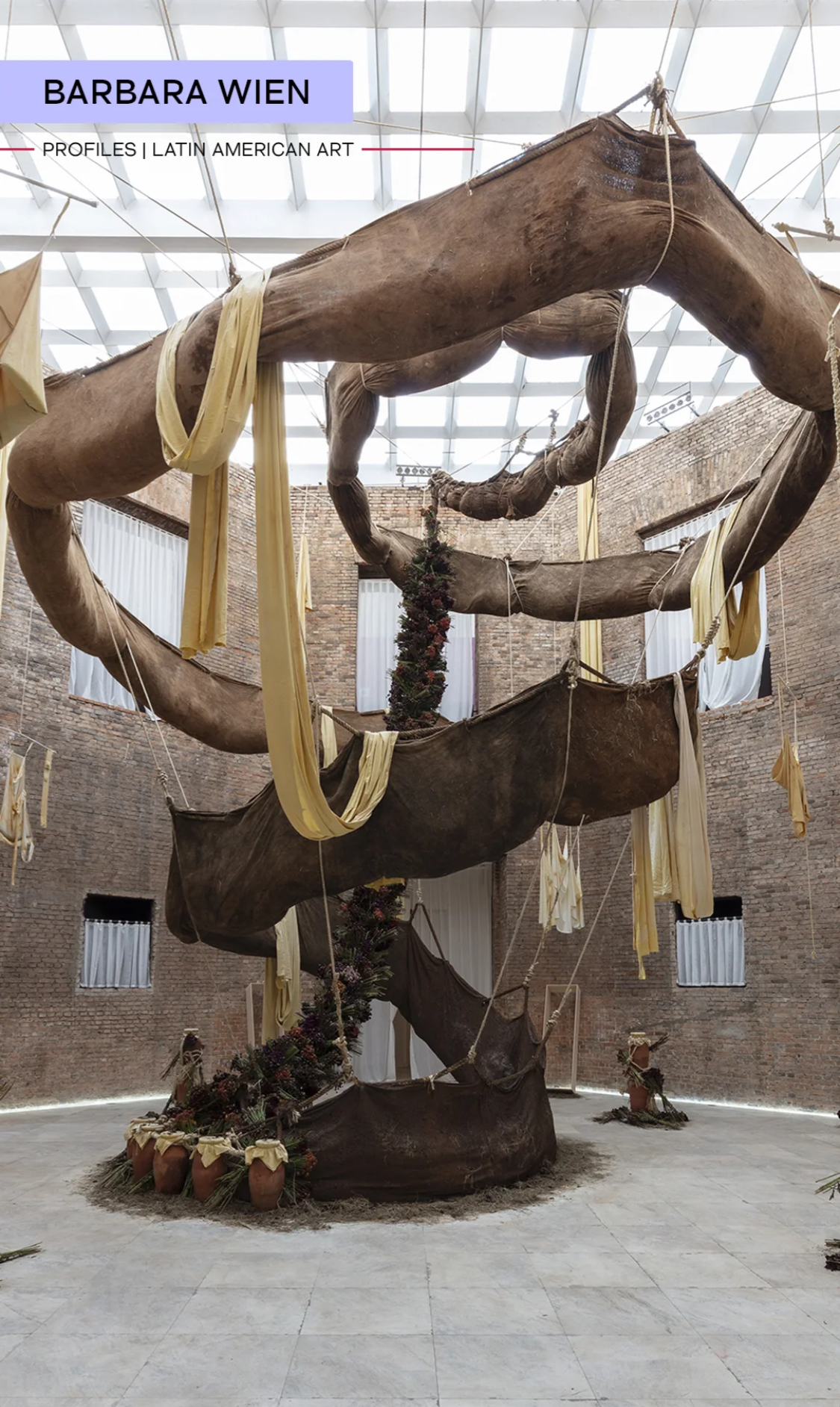
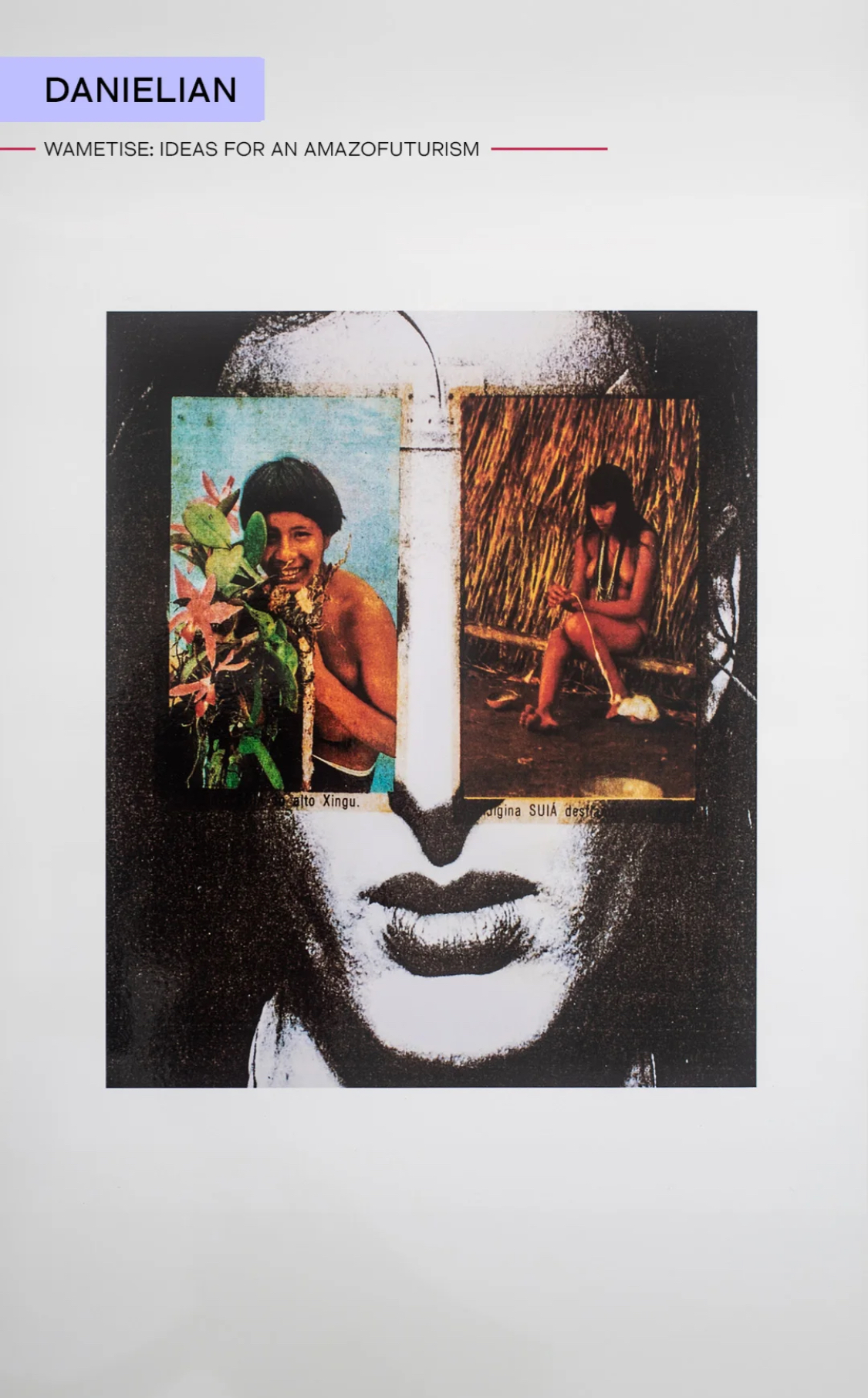
El tema central de esta edición giraba en torno a la relación entre lo humano y lo vegetal, con la propuesta Wametisé: ideas para un amazofuturismo. En teoría, se trataba de explorar nuevas formas de existencia híbridas entre lo natural y lo artificial. En la práctica, muchas obras parecían excusas para colocar plantas en pedestales y añadir textos rebuscados sobre ecología y colonialismo.
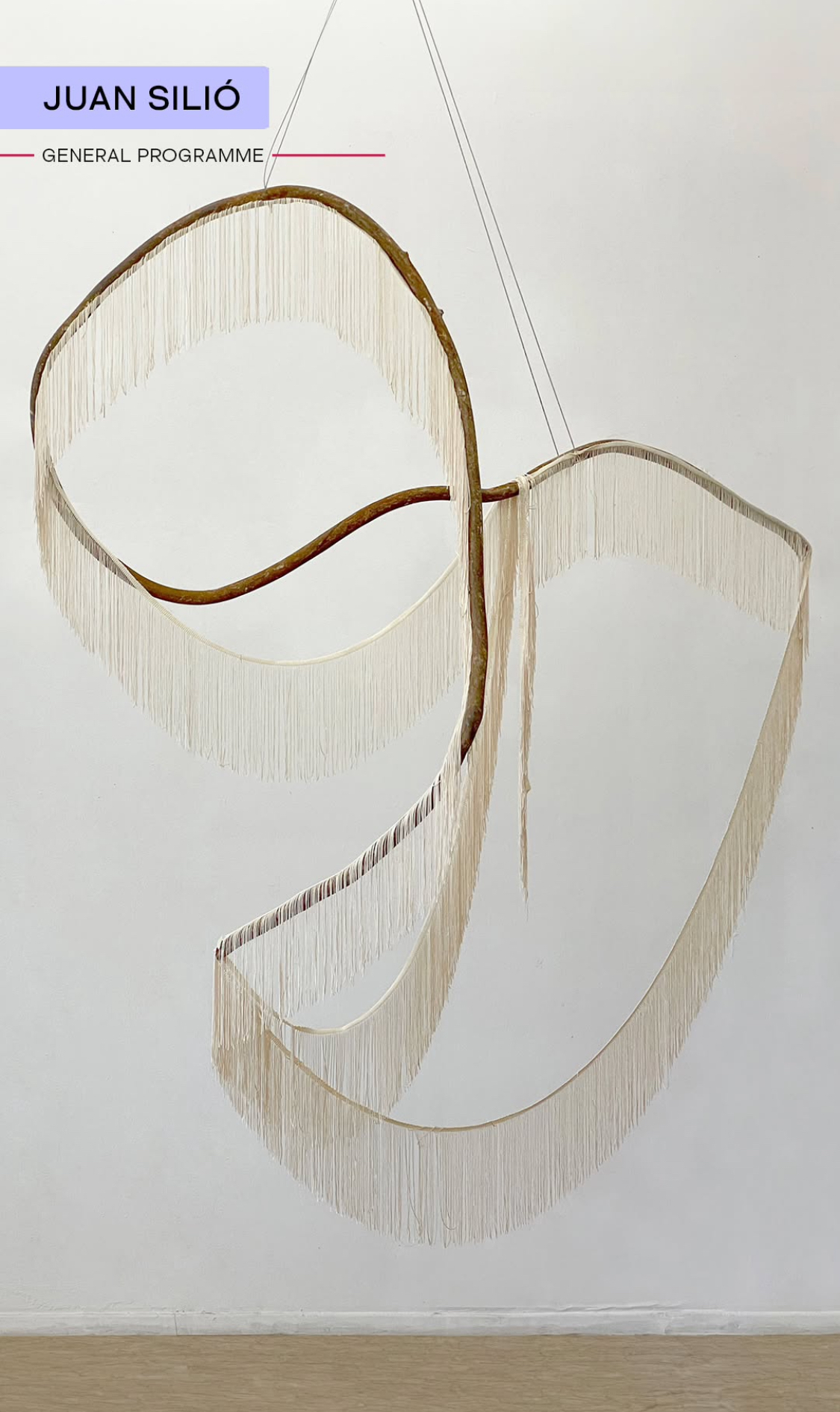
Lo que se vendió como una reflexión sobre el futuro del arte y la naturaleza terminó siendo, en muchos casos, una repetición de ideas ya explotadas: cuerpos con prótesis, instalaciones con pantallas mostrando loops digitales y la típica referencia a lo orgánico en forma de ramas secas o montículos de tierra.
El problema de ARCO no es que el arte sea difícil de entender, sino que en muchos casos ni siquiera hay arte, solo un envoltorio conceptual que no se sostiene por sí mismo. Si muchas de las piezas expuestas fueran presentadas sin su texto explicativo, la mayoría de los visitantes se quedarían mirando sin encontrar sentido.
The central theme of this edition revolved around the relationship between humans and plants, with the proposal Wametisé: Ideas for an Amazofuturism. In theory, it aimed to explore new hybrid forms of existence between the natural and the artificial. In practice, many works felt like mere excuses to place plants on pedestals and add overly elaborate texts about ecology and colonialism.
What was marketed as a reflection on the future of art and nature often ended up being a repetition of overused ideas: bodies with prosthetics, installations with screens looping digital imagery, and the usual reference to the organic through dried branches or piles of soil.
The issue with ARCO isn’t that art is difficult to understand—it’s that, in many cases, there isn’t even art to understand. If half of the exhibited pieces were shown without their lengthy explanations, visitors would be left staring at piles of junk with no clear meaning.
Cada año, ARCO se llena de obras que buscan hacer titulares. Por ejemplo, la pieza de Eugenio Merino, que básicamente metió las caras de Trump, Musk y Abascal en un lavavajillas, parece más una broma de Twitter que arte real. La fórmula es clara: basta con incluir a un líder de extrema derecha para que la obra se tache de “valiente” y “transgresora”, aunque en el fondo no aporte nada nuevo.
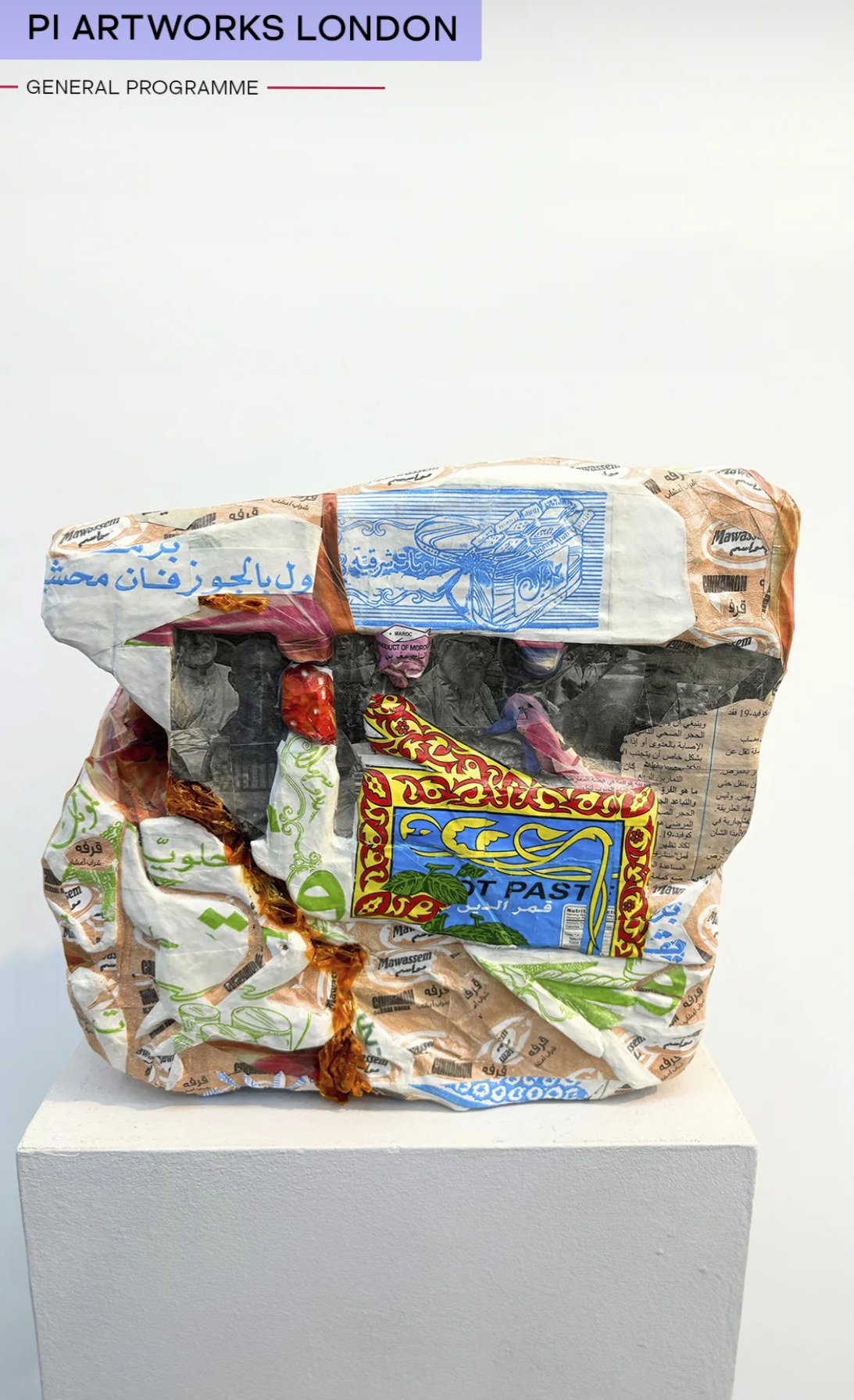
Otra obra que generó revuelo fue la de Claudia Pagès, premiada con el Illy SustainArt, que mostraba los aljibes de Xàtiva en papel artesanal. La pieza está técnicamente bien hecha, pero da la sensación de que su mérito se basa más en la historia detrás que en su impacto visual.
El único momento que se sintió importante de cara al mundo artístico fue cuando las galerías españolas protestaron contra el IVA del 21% en la compraventa de arte (mientras que en Francia es del 5,5% y en Alemania del 7%). Apagaron las luces durante unos minutos para dejar claro que, en España, comprar arte se ha convertido en un lujo por culpa de los altos impuestos.
Al final, ARCO sigue siendo más un escaparate de venta que una verdadera muestra de creatividad. Las galerías se preocupan más por generar ruido en redes y encajar en la moda del momento que por la calidad real de las obras.
ARCOmadrid 2025 evidencia dos tendencias en el arte contemporáneo: por un lado, un intelectualismo que enreda ideas sencillas, y por otro, una obsesión con la polémica fácil para ganar atención. Entre todo este teatro, hay artistas y galerías con propuestas auténticas, pero cada vez es más difícil que encuentren espacio en una feria que parece valorar más lo viral y lo políticamente correcto.
Every year, ARCO fills its halls with works designed to make headlines. For example, Eugenio Merino’s piece—basically putting the faces of Trump, Musk, and Abascal on a dishwasher—feels more like a Twitter joke than genuine art. The idea is simple: just include a far-right leader and suddenly the work is labeled “bold” and “transgressive,” even though it doesn’t really offer anything new.
Another piece that stirred up debate was by Claudia Pagès, who won the Illy SustainArt Prize for her work showcasing Xàtiva’s water cisterns on handmade paper. Technically well executed, the piece gives the impression that its merit relies more on the backstory than on its visual impact.
The only moment that felt truly genuine was when Spanish galleries protested the 21% VAT on art sales (compared to 5.5% in France and 7% in Germany). They turned off their lights for a few minutes to underline that, in Spain, buying art has become a luxury due to high taxes.
In the end, ARCO still functions more as a sales platform than a real showcase of creativity. Galleries seem more concerned with generating buzz on social media and fitting into the latest trend than with the actual quality of the works.
Overall, ARCOmadrid 2025 highlights two prevailing trends in contemporary art: on one side, an intellectualism that complicates simple ideas; on the other, an obsession with easy controversy to grab attention. Amid all this theater, there are still artists and galleries with genuine proposals, but it’s becoming increasingly hard for them to find space in a fair that appears to value viral appeal and political correctness over real substance.