
A los 18 años, representó a los jóvenes indígenas ante la Corte Interamericana de Derechos Humanos, ayudando a ganar un caso histórico contra el gobierno ecuatoriano por permitir la extracción de petróleo en tierras indígenas. Ahora, desde el escenario internacional, aboga por los derechos indígenas y de las mujeres. Otra victoria que tuvo la comunidad de Sarayaku fue que lograron conceptualizar la filosofía de vida de la comunidad en un documento llamado “La Declaración Kawsak Sacha o La Selva Viviente”; una propuesta en la que se reconocen legalmente los territorios indígenas como territorios vivientes y reafirma la importancia de la conexión de los pueblos indígenas y el ser humano con la tierra, y por ende, los reconoce como territorios llenos de vida. El Programa de Naciones Unidas para el Desarrollo (PNUD) les otorgo el Premio Ecuatorial al Pueblo Indígena Kichwa de Sarayaku como reconocimiento a los esfuerzos de décadas por proteger su territorio. Sin embargo, esta visión se remonta a épocas milenarias y a leyendas ancestrales sobre el origen y la creación. «La tierra es viviente y nosotros somos parte de ella. Todo está conectado, relacionado. Dependemos de que exista un equilibrio,» dice Nina sobre la íntima conexión que mantiene con la selva. Y es que para entender su filosofía de vida, hay que entender la visión tan precisa que los Sarayaku tienen sobre esta correlación.
Todo está conectado: Nina Gualinga
Article 12.06.23
Pia Bonilla
Pia Bonilla
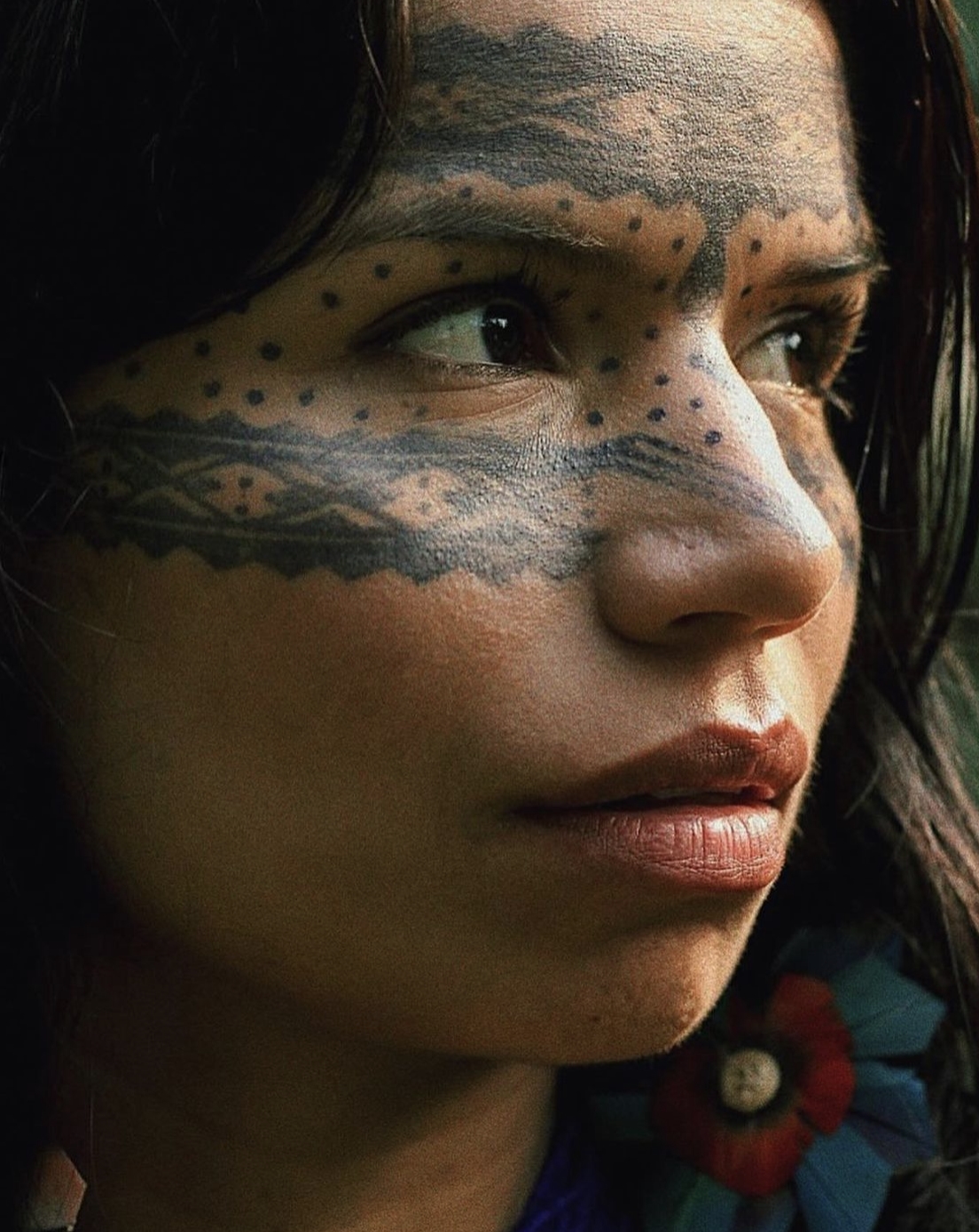
Nina Gualinga is an activist who protects the Ecuadorian Amazon, she and the Sarayaku women paint their faces as an act of resistance. Nina has spent most of her life working to protect nature, the communities of the Ecuadorian Amazon, and women’s rights.
Nina Gualinga es una activista que protege la Amazonía de Ecuador, ella y las mujeres de Sarayaku pintan sus rostros como un acto de resistencia. Nina ha pasado la mayor parte de su vida trabajando para proteger la naturaleza, las comunidades de la Amazonía ecuatoriana y los derechos de las mujeres.
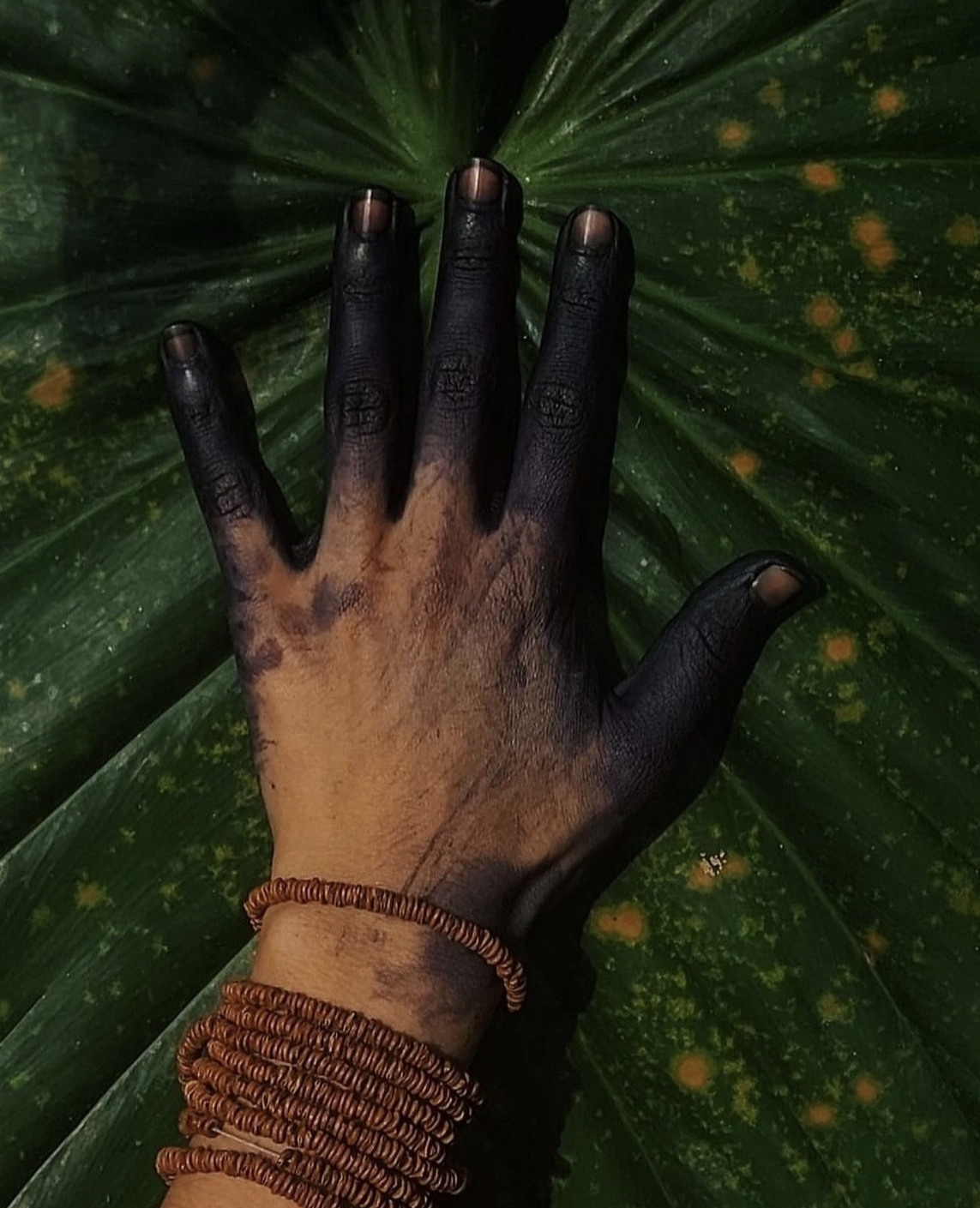
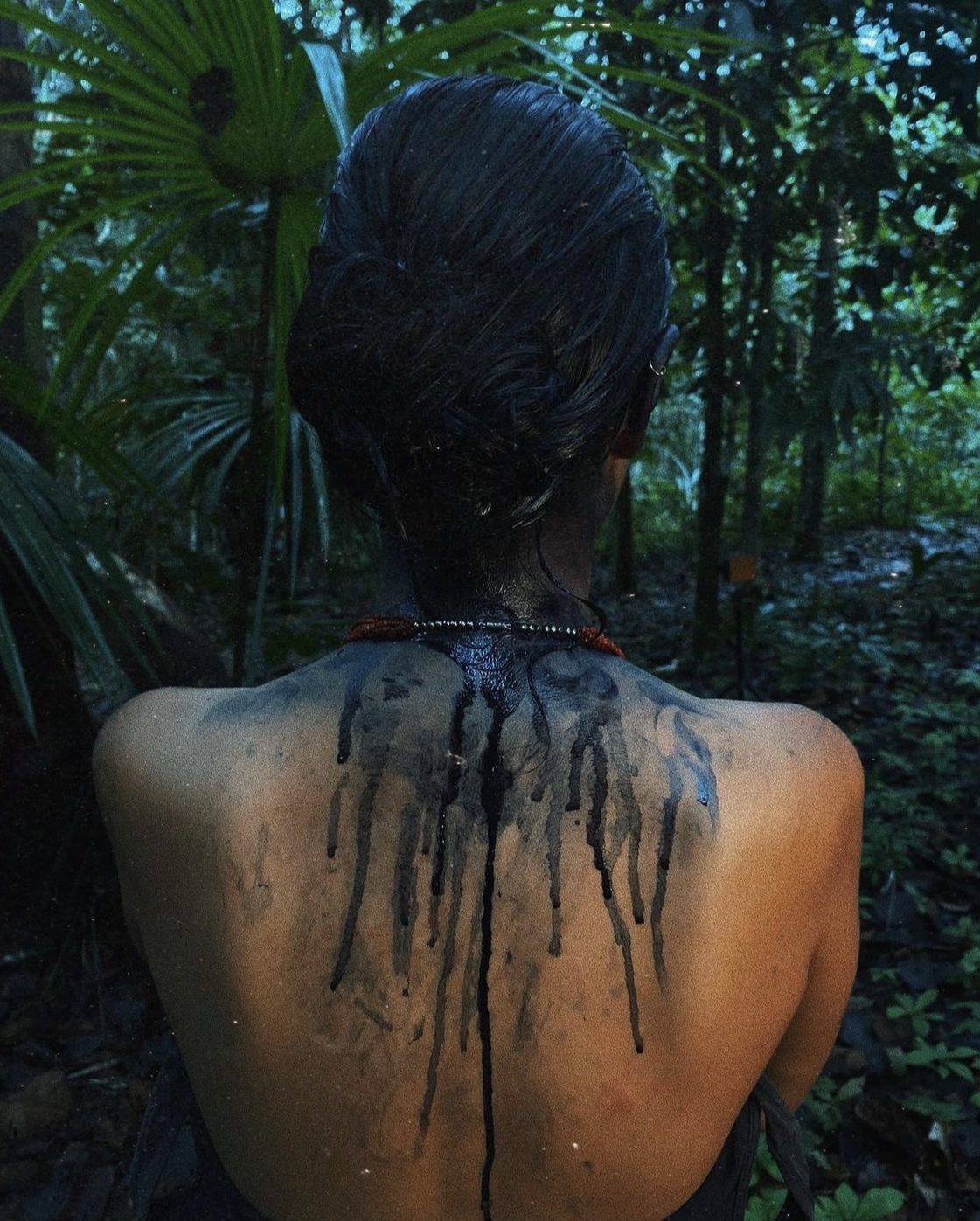
“Somos una extensión de la Madre Tierra” – Nina.
“We are an extension of Mother Earth” – Nina.
When she was 18 years, she represented indigenous youth before the Inter-American Court of Human Rights, helping win a landmark case against the Ecuadorian government for allowing oil extraction on indigenous lands. Now, from the international stage, she advocates for indigenous and women’s rights. Another victory that the Sarayaku community had was that they were able to conceptualize the community’s philosophy of life in a document called «The Kawsak Sacha Declaration or The Living Forest»; a proposal in which indigenous territories are legally recognized as living territories and reaffirms the importance of the connection of indigenous peoples and human beings with the land, and therefore, recognizes them as territories full of life. The United Nations Development Program (UNDP) awarded the Ecuador Prize to the Kichwa Indigenous People of Sarayaku in recognition of the decades-long efforts to protect their territory. However, this vision goes back to ancient times and ancient legends about the origin and creation. «The earth is living and we are part of it. Everything is connected, related. We depend on there being a balance», says Nina about the intimate connection she has with the jungle. And it is that to understand their philosophy of life, it is necessary to understand the very precise vision that the Sarayaku have about this correlation.
“Necesitamos buscar formas de tratar mejor tanto a la Tierra como a las mujeres, necesitamos sanar”- Nina G
“We need to find ways to better treat both the Earth and women, we need to heal”- Nina G
Cuando era pequeña, para Nina el rol de las mujeres en las comunidades era más invisible que hoy, sin embargo, podía ver el peso de la palabra de las mujeres. Veía el papel fundamental que tenían las madres por enviar a sus hijos a convertirse en líderes y dirigentes, de inculcarles valores y de guiarlos en su camino. También en tomar decisiones políticas dentro de la comunidad.
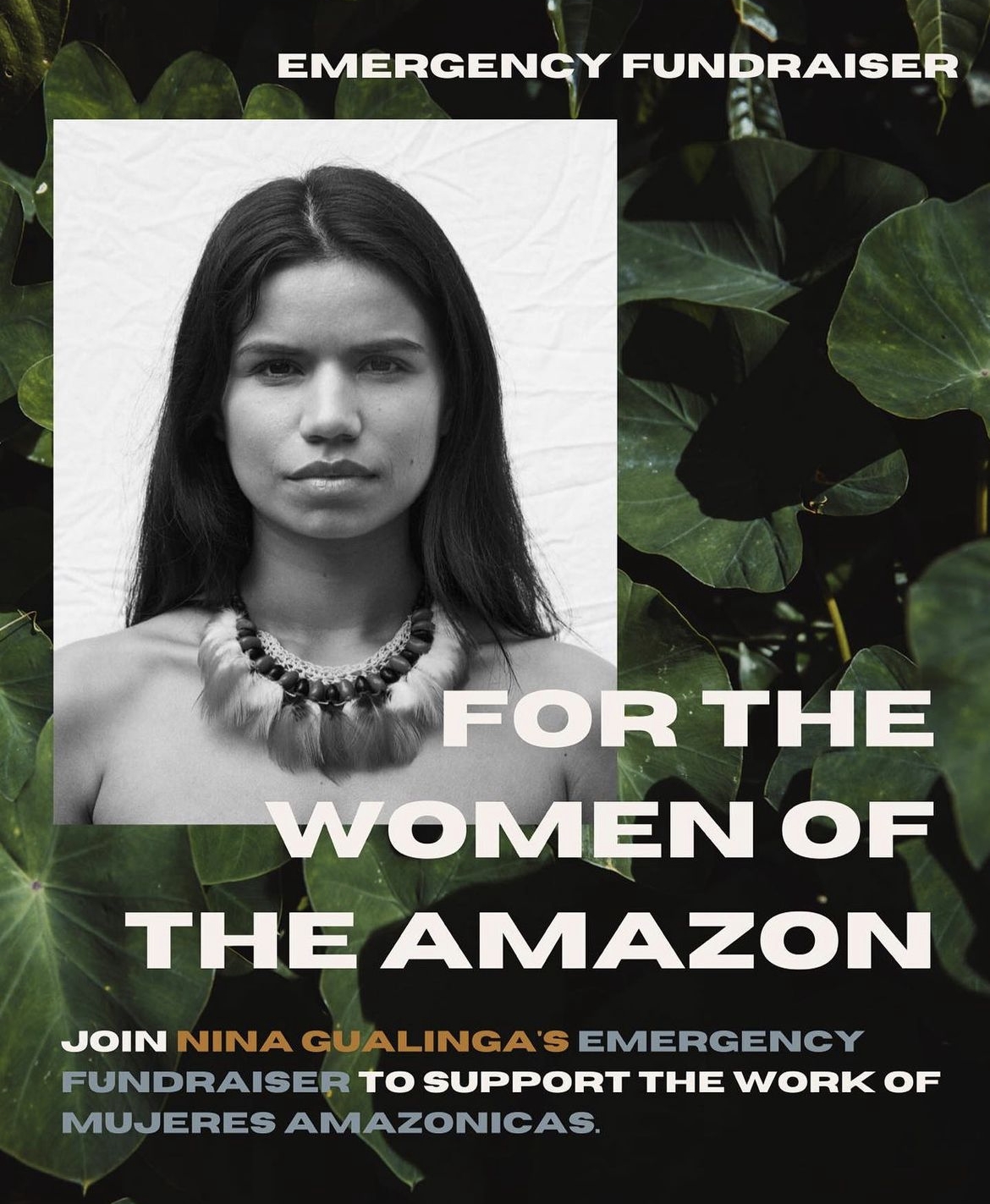
Actualmente ese rol ha comenzado a ser mucho más visible y Nina trabaja con un colectivo que se llama Mujeres Amazónicas, defensoras de la selva, que es una red que junta mujeres de varias nacionalidades para fortalecer sus derechos.
When she was little girl, for Nina the role of women in communities were more invisible than today, however, she could see the weight of women’s words. I saw the fundamental role that mothers had in sending their children to become leaders and managers, instilling in them values and guiding them on their way. Also in making political decisions within the community.
Currently that role has begun to be much more visible and Nina works with a group called Mujeres Amazónicas, defenders of the jungle, which is a network that brings together women of various nationalities to strengthen their rights.
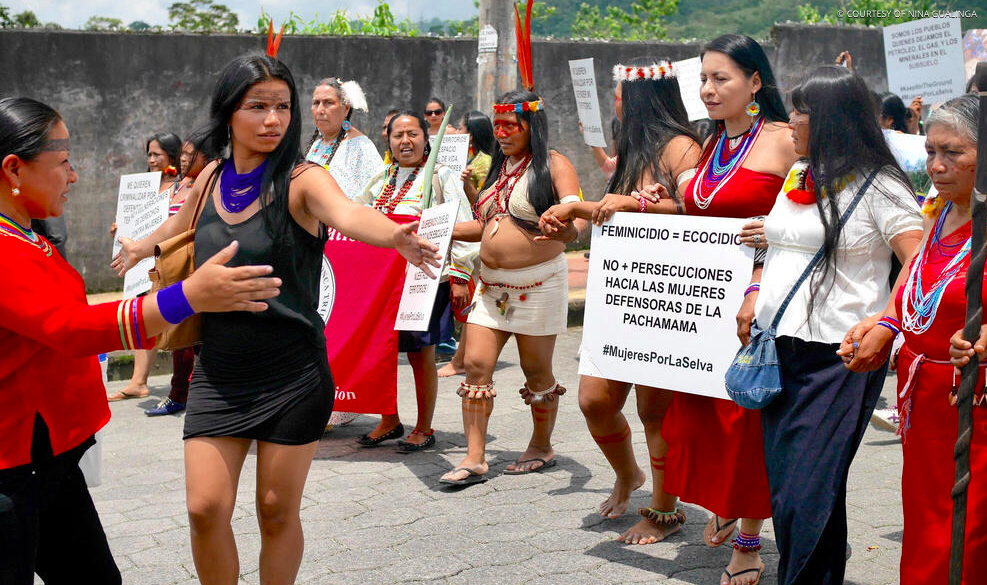
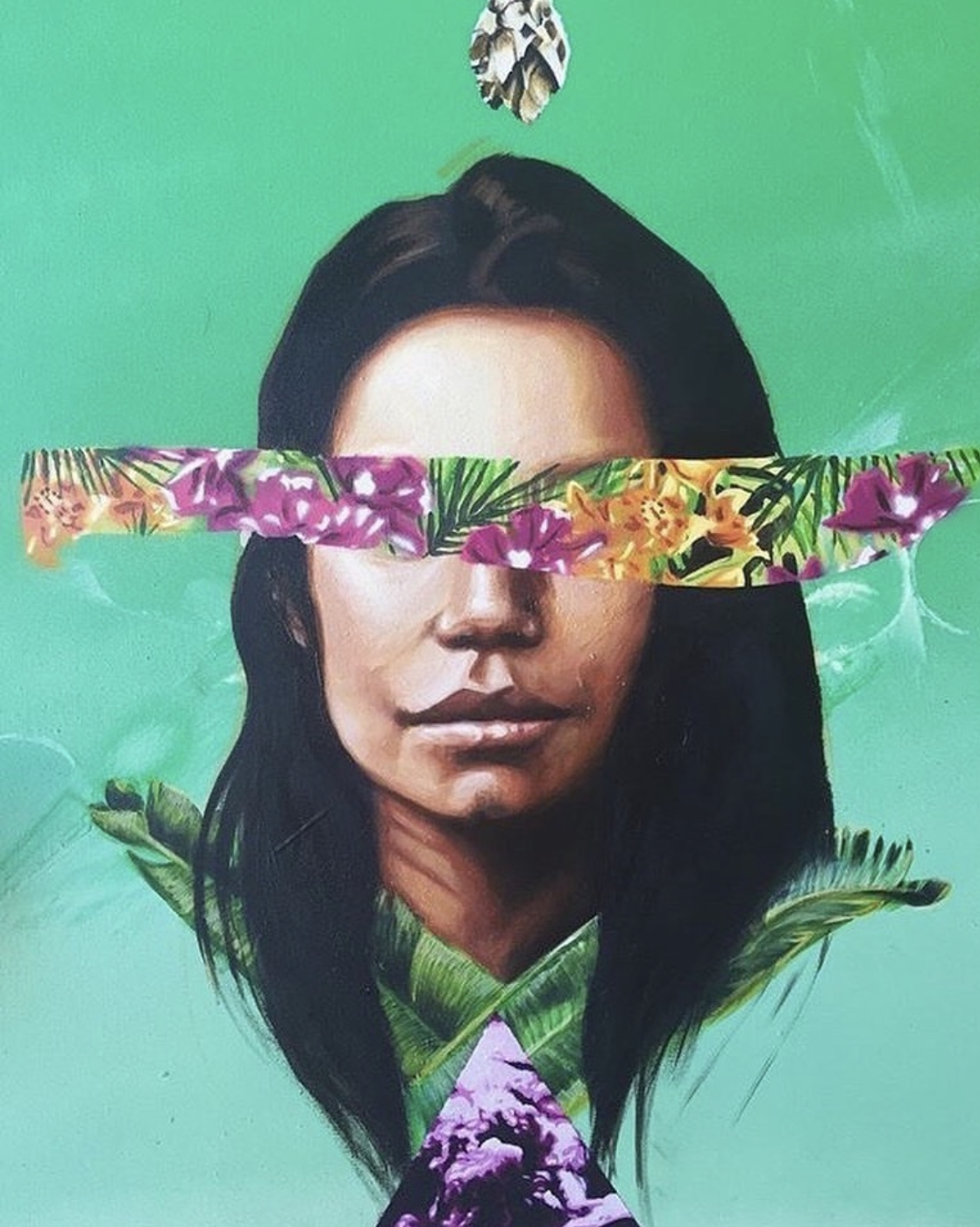
“Nunca me he autodefinido como activista. Soy parte de un proceso colectivo. No es algo que yo elegí. Cuando tomé la decisión de dedicar mi vida a la defensa de mi territorio, de la selva y los derechos indígenas, fue porque fui impactada por la industria petrolera y porque la vida de mi pueblo, –y de todos los seres que viven en el territorio– estaban en riesgo”- Nina
“I have never defined myself as an activist. I am part of a collective process. It’s not something I chose. When I made the decision to dedicate my life to the defense of my territory, the forest and indigenous rights, it was because I was impacted by the oil industry and because the life of my people, and of all the beings that live in the territory were at risk”- Nina.
Pintar sus rostros como un acto de resistencia
Cuando el pueblo nativo de Nina Gualinga, Sarayaku, ganó el caso Sarayaku Ecuador en la Corte Interamericana de Derechos Humanos (IACHR), en 2012, algo cambio para todos, porque con ese caso se reconocieron no solamente la violencia y los atropellos de derechos que vivían como pueblo, sino también que los pueblos indígenas tienen voz y pueden crear cambios.
Sarayaku está ubicado en la ribera del río Bobonaza, en la Amazonía ecuatoriana. La historia de Sarayaku y sus mujeres originarias yace sobre la coexistencia entre la naturaleza y los seres vivos. Aquí se entiende que la vastedad de la Amazonía no alude únicamente a su extenso territorio, sino a la riqueza de la cosmovisión de sus pueblos, a su filosofía de vida, entendiendo esto, las mujeres de la comunidad kichwa de Sarayaku, en el corazón de la selva amazónica, pintan en sus rostros figuras para las fiestas y para las guerras con wituk y achiote, dos frutos cuyos tintes toman para evocar la belleza y la bravura de las amazonas. Y es esa tradición la que ha permitido a la comunidad indígena de Sarayaku, llamado también el Pueblo del Medio Día, resistir hasta ahora la avalancha de la industria extractivista (petróleo y minería) que amenaza la vida en la selva.
Para los habitantes de Sarayaku, la selva es la vida misma y sin ella se extingue la existencia, por ello están resueltas a defender a su Madre Tierra con todas las fuerzas de los espíritus de la naturaleza y de sus creencias.
Todos en la comunidad pintan sus rostros como les fue legado por dos mujeres que, por el mal del amor, se convirtieron en los árboles del wituk y del achiote, según cuenta la leyenda.
Painting their faces as an act of resistance
When the native people of Nina Gualinga, Sarayaku, won the Sarayaku Ecuador case at the Inter-American Court of Human Rights (IACHR), in 2012, something changed for everyone, because with this case they recognized not only the violence and violations of rights that lived as people, but also that indigenous people have a voice and can create change.
Sarayaku is located on the banks of the Bobonaza River, in the Ecuadorian Amazon. The history of Sarayaku and its original women lies on the coexistence between nature and living beings. Here it is understood that the vastness of the Amazon does not refer only to its extensive territory, but to the richness of the worldview of its peoples, to their philosophy of life, understanding this, the women of the Kichwa community of Sarayaku, in the heart of the Amazon jungle, they paint on their faces figures for parties and wars with wituk and achiote, two fruits whose dyes they take to evoke the beauty and bravery of the Amazons.
And it is this tradition that has allowed the indigenous community of Sarayaku, also called the Pueblo del Medio Día, to resist until now the avalanche of the extractivist industry (oil and mining) that threatens life in the jungle.
For the inhabitants of Sarayaku, the jungle is life itself and without it existence is extinguished, for this reason they are determined to defend their Mother Earth with all the forces of the spirits of nature and their beliefs.
Everyone in the community paints their faces as it was bequeathed to them by two women who, due a heartbreak, became the wituk and achiote trees, according to the legend.
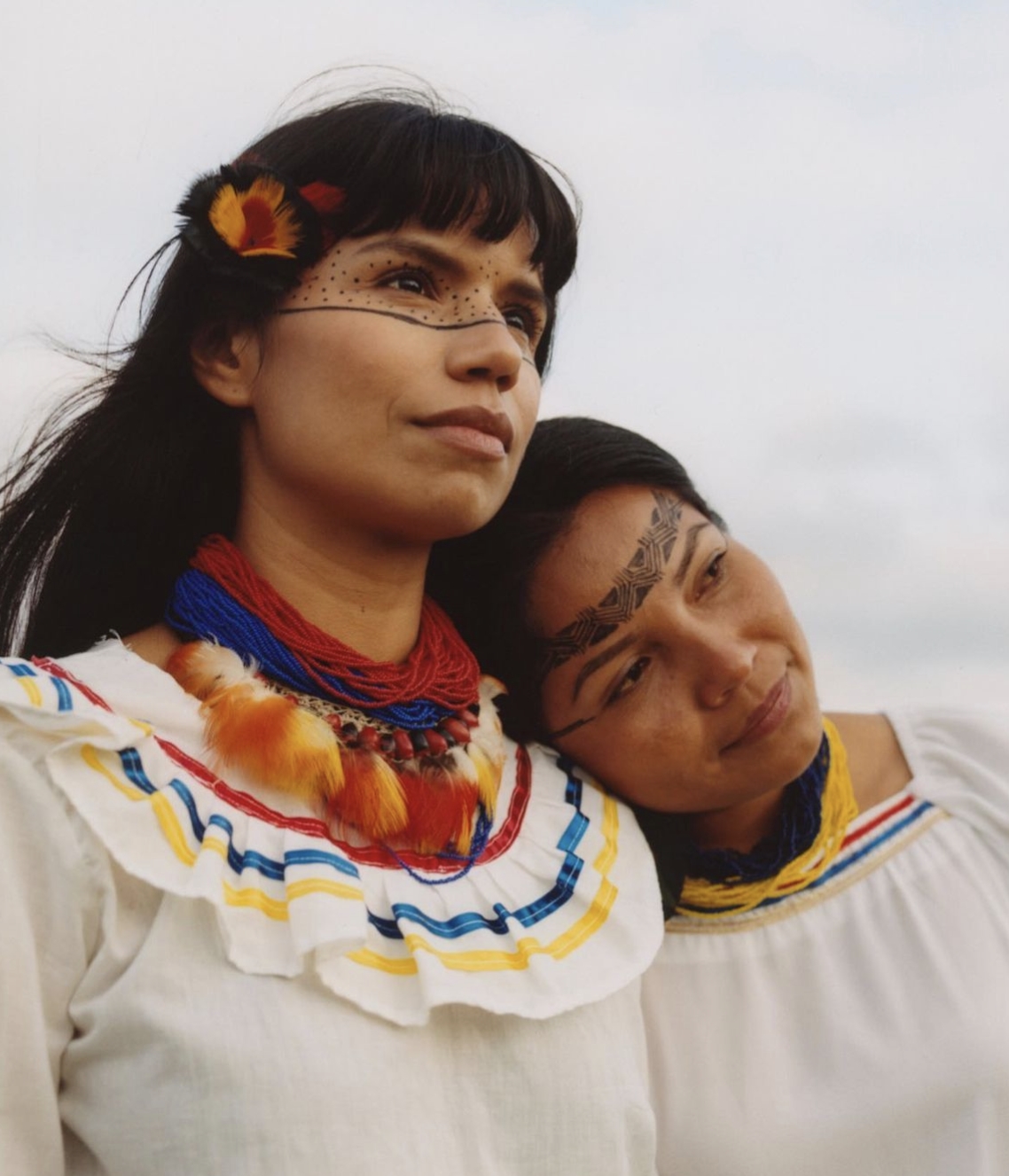
«La mujer Wituk que se transformó –a pesar de todas las situaciones que pasó y las dificultades que vivió–, en un árbol sanador, en una fruta que da energía y da vida a las personas” – Nina. Fuente Vogue México.
«Wituk woman who was transformed( despite all the situations she went through and the difficulties she experienced) in a healing tree, in a fruit that gives energy and gives life to the people” – Nina. Source Vogue Mexico.
La leyenda del wituk y el achiote como fuente de fortaleza
Entre las tradiciones originarias de este pueblo, hay una leyenda ancestral que persiste entre las mujeres amazónicas: la pintura del Wituk. En épocas milenarias, los seres humanos y los animales eran uno solo. No había distinción. En ese tiempo, las hermanas Wituk y Manduru atravesaron momentos difíciles. En su búsqueda por la sanación, se convirtieron en algo diferente, por lo que la mayor de ellas se transformó en el árbol Wituk para dar vida y energía a las personas enfermas o tristes; mientras que la hermana más joven se convirtió en Manduru para dar vida y ser capaz de sanar. Una noche, ambas decidieron pintar toda la selva, los animales y a los seres de la selva con diferentes colores. “Para nosotras, la pintura del Wituk es justamente esto: una pintura que nos da energía, que nos da vida y que nos provee con las ganas de continuar viviendo. Se utiliza para personas que están enfermas o que están tristes. Nos pintamos cuando tenemos festividades e, incluso, en situaciones de lucha, asambleas o reuniones, porque es algo que nos fortalece. No se trata de la belleza estética de la pintura y sus formas, sino de cómo nos hace sentir y la energía que nos da; desde la fortaleza y la sabiduría, y hasta el empoderamiento de la mujer Wituk que se transformó –a pesar de todas las situaciones que pasó y las dificultades que vivió–, en un árbol sanador, en una fruta que da energía y da vida a las personas” – Nina. Fuente Vogue México.
The legend of wituk and achiote as a source of strength
Among the original traditions of this town, there is an ancestral legend that persists among Amazonian women: the painting of the Wituk. In ancient times, human beings and animals were one. There was no distinction. In that time, the Wituk and Manduru sisters went through difficult times. In their search for healing, they became something different, so the older of them became the Wituk tree to give life and energy to sick or sad people; while the younger sister became Manduru to give life and be able to heal. One night, they both decided to paint the entire jungle, the animals and the beings of the jungle with different colors. “For us, Wituk painting is exactly this: a painting that gives us energy, that gives us life and that provides us with the desire to continue living. It is used for people who are sick or sad. We paint ourselves when we have festivities and even in situations of struggle, assemblies or meetings, because it is something that strengthens us. It is not about the aesthetic beauty of the painting and its shapes, but about how it makes us feel and the energy it gives us; from the strength and wisdom, and to the empowerment of the Wituk woman who was transformed( despite all the situations she went through and the difficulties she experienced) in a healing tree, in a fruit that gives energy and gives life to the people” – Nina. Source Vogue Mexico.
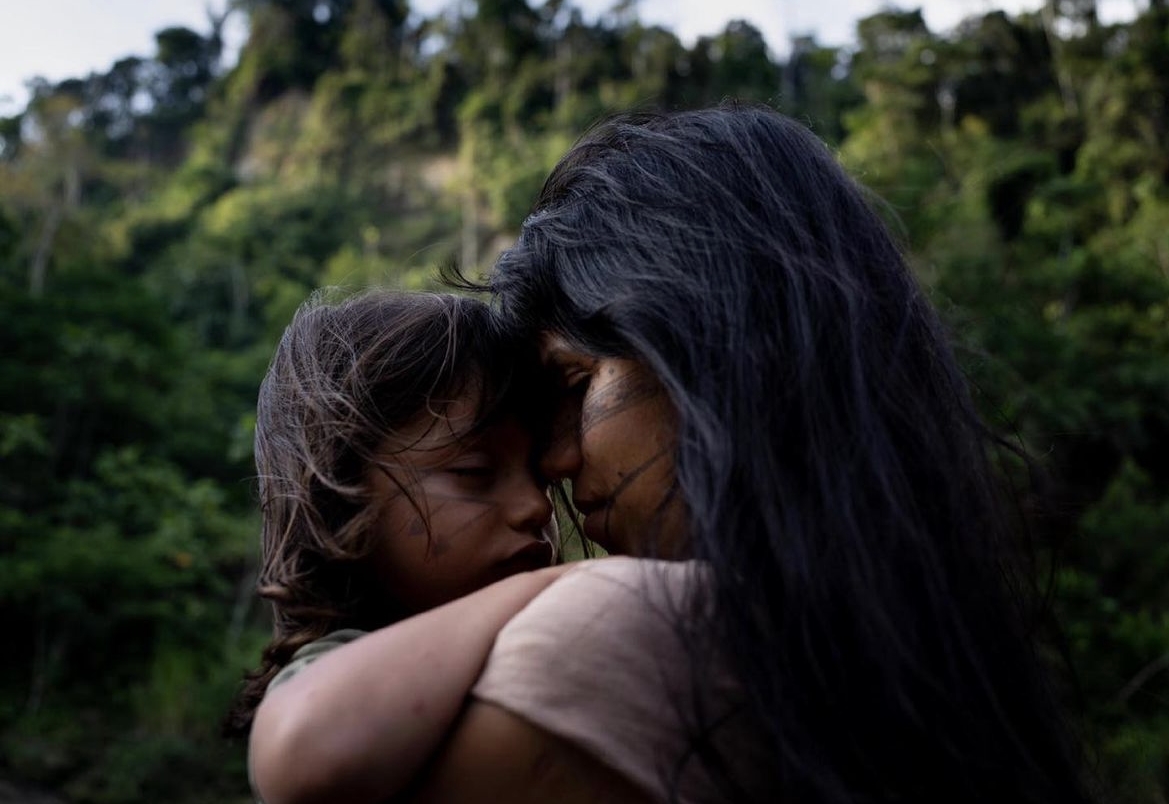
«Nos inspiramos en los animales de la selva porque tienen muchos significados, por ejemplo, se delinea una tortuga cuando el temperamento de una persona es más paciente, no es apresurada»- Nina
«We were inspired by the animals of the jungle because they have many meanings, for example, a turtle is delineated when a person’s temperament is more patient, it is not rushed»- Nina
Pintura sagrada inspirada en la selva
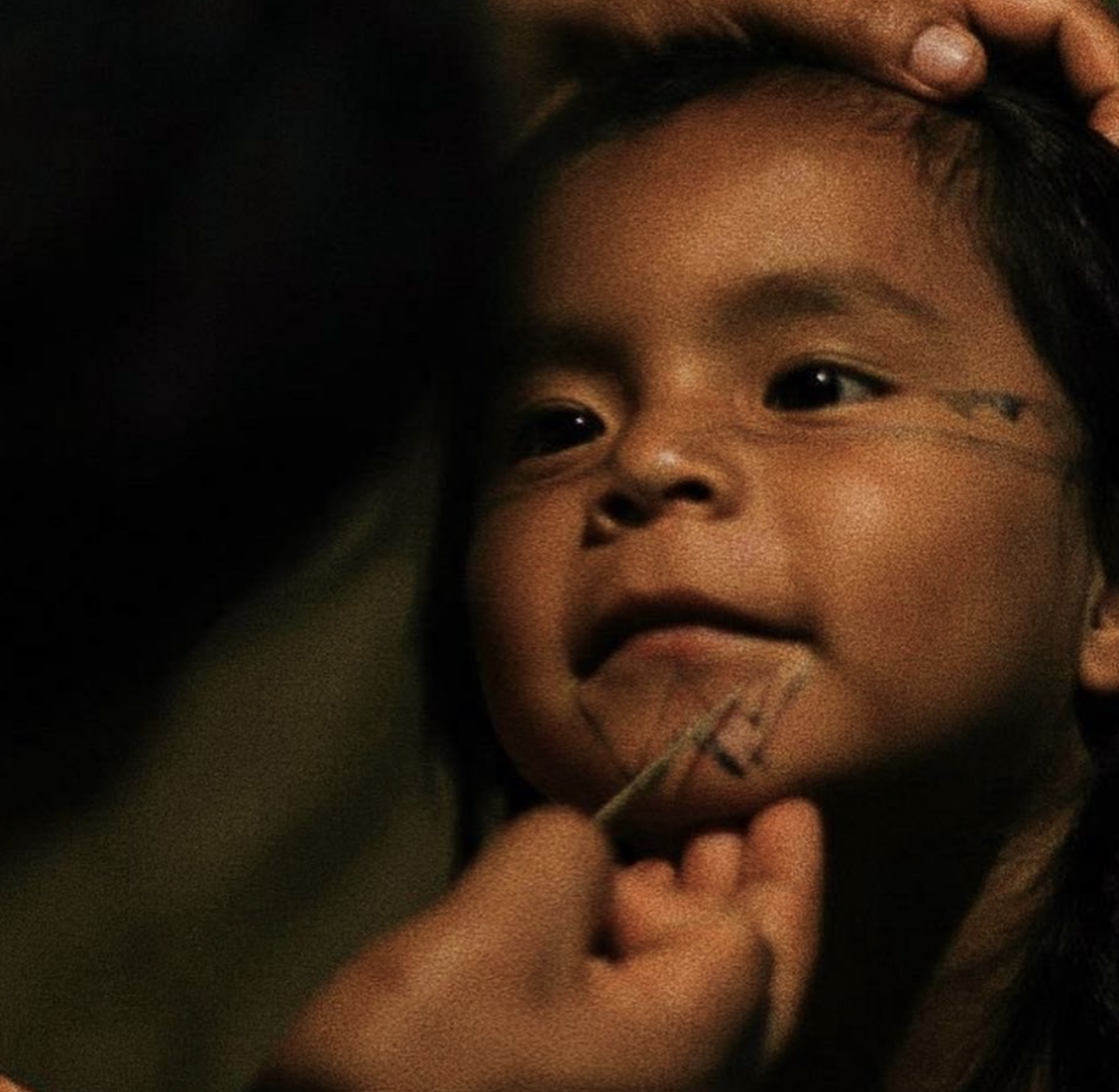
La comunidad se pinta la cara dependiendo lo que tengan que hacer. Hay unos delineados más finos para las fiestas y otros más gruesos para cuando la comunidad tiene que defender su tierra de las petroleras que quieren instalarse en su territorio. Las figuras son auténticas obras de arte cuya meticulosidad y delicadeza permite observar los rasgos de la tez. Las mujeres se inspiran en las boas, anacondas y lagartijas y los hombres en los jaguares por ser animales simbólicos que demuestran armonía y violencia a la vez.
El achiote es un árbol que se extiende por toda América y sus semillas producen un pigmento natural rojizo que se utiliza mucho en la industria alimentaria, textil y cosmética.
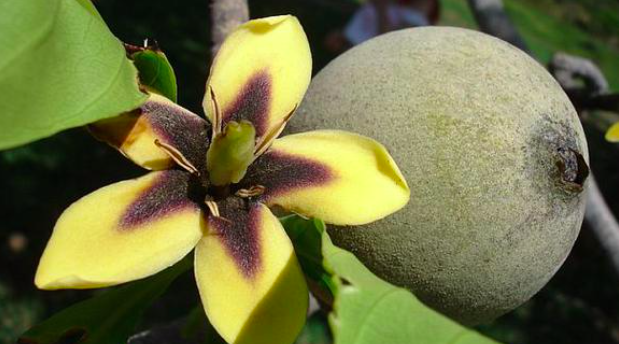
El wituk es un árbol amazónico de cuyos frutos se extrae una tintura natural de color azul oscuro.
Jungle inspired sacred painting
The community paints their faces depending on what they have to do. There are some finer outlines for the parties and other thicker ones for when the community has to fight against the oil companies that want to settle in their territories.
The figures are authentic works of art whose meticulousness and delicacy allow us to observe the features of the complexion. Women are inspired by boas, anacondas and lizards and men in jaguars for being symbolic animals that demonstrate harmony and violence at the same time.
The achiote is a tree that extends throughout the Americas and its seeds produce a natural reddish pigment that is widely used in the food, textile, and cosmetic industries.
The wituk is an Amazonian tree from whose fruits a dark blue natural dye is extracted.
THE END
THE END
Para mi, el bienestar de las mujeres está íntimamente ligado con el bienestar de la tierra. Las mujeres hemos luchado mucho para tener sociedades mas justas y ha sido un trabajo muy duro y que hoy vemos que está dando frutos, porque hay muchas mujeres que están posicionándose como dirigentes, que se están posicionando dentro de la política. Las mujeres como Nina han logrado esto y mucho más; que las opiniones de las mujeres y que la participación sea plena, este garantizada y que sean parte de las tomas de decisiones dentro de sus comunidades, dentro de las organizaciones, pero también a nivel nacional e internacional.
“Las mujeres atravesamos y estamos expuestas a múltiples formas de violencia, al mismo tiempo. Sobrellevar esto y tomar espacio, como lo hemos hecho, ha sido un camino muy difícil. Yo lo he vivido y yo lo he visto. Es por eso que mi trabajo se enfoca en las mujeres, porque yo sé lo difícil que es para una mujer llegar a alzar su voz, incluso tener que enfrentarse no solamente a las empresas extractivas, no solamente a las políticas del Estado, no solamente a la discriminación y las desigualdades económicas, sino también al machismo fuera y dentro de nuestras propias comunidades. Es sumamente difícil para las mujeres y las mujeres que logran hacerlo, son mujeres muy valientes” . – Nina Gualinga.
Esta postura tan solo es una reafirmación del discurso presente en las mujeres de Sarayaku. Nina Gualinga ha crecido en una comunidad donde la fuerza femenina vigoriza la esencia de su lucha. Su madre y hermana menor, Helena, son parte de esta comunidad de mujeres defensoras de los derechos de los pueblos indígenas.
For me, the well-being of women is closely linked to the well-being of the earth. We women have fought hard to have more equitable societies and it has been a very hard work and today we can see some results, because there are many women who are positioning themselves as leaders, who are positioning themselves within politics. Women like Nina have achieved this and much more; that the opinions of women and that their participation is full, is guaranteed and that they are part of decision-making within their communities, within organizations, but also at a national and international level.
“Women go through and are exposed to multiple forms of violence at the same time. Coping with this and taking space, as we have, has been a very difficult road. I have lived it and I have seen it. That is why my work focuses on women, because I know how difficult it is for a woman to raise their voice, even having to confront not only extractive companies, not only State policies, not only discrimination and economic inequalities, but also sexism outside and within our own communities. It is extremely difficult for women and the women who manage to do it are very brave women.” –Nina Gualinga.
This position is only a reaffirmation of the discourse present in the Sarayaku women. Nina Gualinga has grown up in a community where feminine strength invigorates the essence of her struggle. Her mother and younger sister, Helena, are part of this community of women defenders of the rights of indigenous peoples.
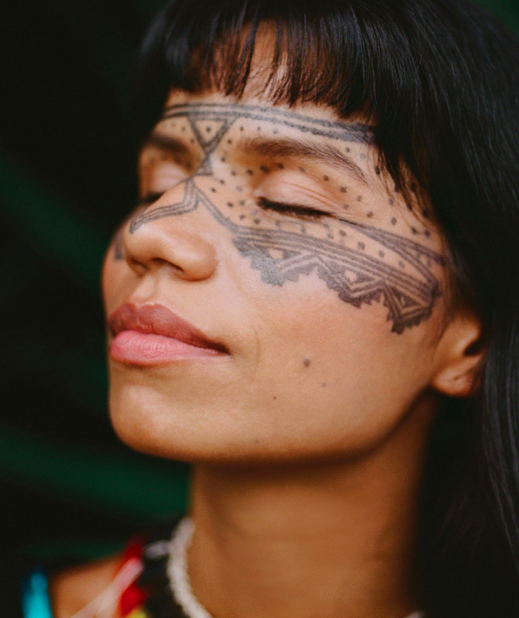
“En un mundo que está constantemente tratando de erradicar, eliminar y deshacer quienes somos nosotros, a nuestra cultura, idioma y tradiciones a través del extractivismo, de destruir nuestros territorios a través del racismo; el sistema educativo, los estándares de belleza, la práctica de tu idioma, llevar tu pintura, vestir tu ropa tradicional y ser parte de tu comunidad, es un acto de resistencia” –Nina Gualinga. Fuente Vogue México.
“In a world that is constantly trying to eradicate, eliminate and undo who we are, our culture, language and traditions through extractivism, to destroy our territories through racism; the educational system, beauty standards, practicing your language, wearing your paint, wearing your traditional clothing and being part of your community, is an act of resistance” –Nina Gualinga. Source Vogue Mexico.
Follow Nina Gualinga
Follow Nina Gualinga
CREDITS
By PIA BONILLA
– Art director + Maquetation ROSANA PÉREZ
THANKS
+ Nina Gualinga
LIKTR.EE – NINA GUALINGA